
Leadership Insights: The Most Essential Public Good
By Diane Whitehead, President & CEO
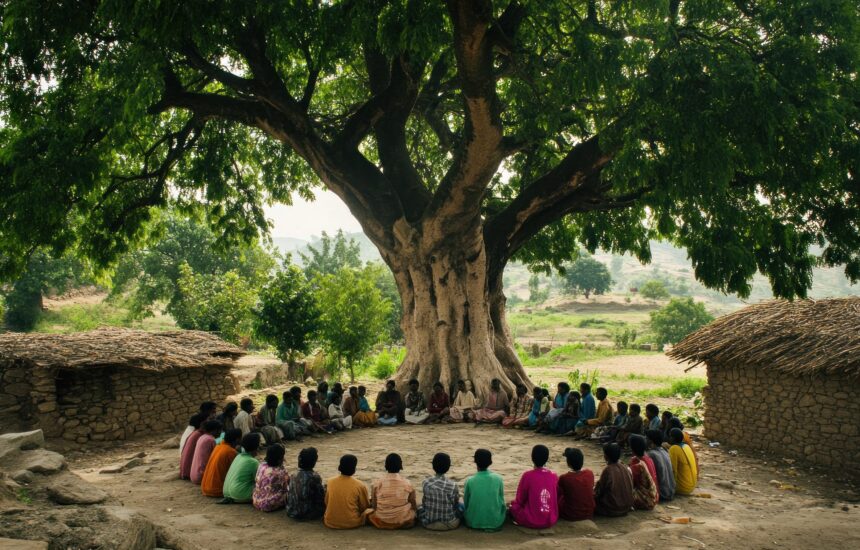
When we think about positive policies and progressive investment in early childhood development, many of us immediately think about the actual services and systems to be delivered. We have in mind services that support happy, healthy childhoods with skilled teachers in stimulating classrooms; we picture children playing on well-equipped playgrounds and living in communities that prioritize development of child-friendly spaces. But we know a lot of work must be done if we are to reach this vision.
Children are often given a lower priority than other societal needs. As advocates, we are still struggling to gain significant enough attention to awaken a new movement that supports early childhood. It is true that we have seen much progress over the last decade due to initiatives and advocacy efforts that have galvanized action and guided dedicated commitments to young children. But how do we integrate all these amazing advocacy efforts and take the final leap together to ensure every country and every community prioritizes the needs of young children?
Many of us who are dedicated to the learning and lives of young children plead our case by emphasizing that children are at a vulnerable stage of development; they are fragile and they need our help. This is true, of course, young children do need the support and protection of adults, their communities, governments, and others if they are to grow and develop optimally. Yet we also often speak about children as our most precious human asset. If this is the case, don’t we need them as much as they need us? Shouldn’t our advocacy also talk about how human progress will not be made unless we attend to the needs of young children?
Turning our stance from how much children need us to how much we need children changes the advocacy dynamic in extraordinary ways. Investing in early childhood becomes an urgent public good that affects all of us and needs our immediate attention, rather than something that governments and others attend to when there is enough time and enough resources left over after dealing with other societal commitments.
And, of course, it is more than just needing children to maintain the trajectory of humanity. In order to ensure human progress, we need children who are confident, competent, skilled communicators, and empathic to the needs of others. We need children who will become not only good citizens but also positive forces for the betterment and social development of families and communities. We have heard the case time and time again about how children are central to workforce development and economic success, but children actually ARE the future workforce and economic success is dependent on them. We will rely on their skills as innovators and entrepreneurs to solve some of the most pressing and complex challenges that our communities and our world societies face.
Investing in early childhood development, I argue, is perhaps the most essential “public good” — it is a benefit that helps everyone in society, not just the child or parent but all of us. Children who are happy, healthy, and have had a good start in life are the foundation of our human future. Strong early childhood development policies and investment in young children provide stronger economies, more stable societies, and a better world for us all. So, the next time you are advocating for better policies and sustainable investment in early childhood development, please start by talking about supporting young children as a vital and essential public good and how much we ALL need happy, healthy children.
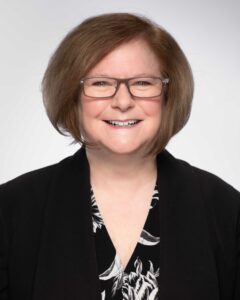 Diane Whitehead, President & CEO
Diane Whitehead, President and CEO of Childhood International, has dedicated her career to issues that affect the lives of children and families. She specializes in global education, children’s education and learning, the human right to education, nonprofit leadership, management, strategic direction-setting, and program development.
Through her strategic guidance and management of this 130+year-old organization, Diane has expanded its global reach, built partnerships with education-focused organizations around the world, designed impactful programs, and participated in key international education forums and United Nations’ initiatives, a recognition of her commitment to transforming education. As Chief Executive Officer, she is dedicated to building CE International’s relevancy, reach, and impact.
Diane is the creator of Education Diplomacy and co-author of the Education Diplomacy Professional Standards. She also co-authored the International Principles of Practice for Educators to guide and inspire practitioners and to elevate the education profession by highlighting the incredible service that educators provide to both international and human development. Both Education Diplomacy and the International Principles of Practice are forging new pathways for the professional development of educators.
Diane is committed to the nonprofit sector and believes that civil society organizations are critical to delivering programming that supports access and quality in education and increases the resources dedicated to the education and care of children, particularly children facing extreme challenges such as war, conflict, migration, food and water insecurity, life threatening pollution, and climate change.
Diane has spent much of her career advocating for improved economic outcomes and social change that promotes equity and social justice, as she believes these are essential to creating change for children and a better world for all. Diane has said, “No one has the power keep people apart based on race, ethnicity, country of origin, religious beliefs, or gender. We must find a way to live together and help our world to seek peace and harmony.” She firmly believes that education is essential to providing individuals with more opportunities in life and creating a more stable and secure world.
“Be the change you wish to see in the world”- Mahatma Gandhi
Diane is available to speak on education topics, leadership, change management, and the future of humanity. If you would like to invite Diane for a speaker engagement at a conference or event, please contact Ashley Nelson, Director of Communications, at anelson@ceinternational.org.
Explore CE International's consulting services.