
University Community Chairs: Connecting Early Childhood Teaching and Research to Community Realties

Children Exist Within Communities, Not Apart from Them.
By Diane Whitehead, President and CEO, Childhood Education International
Dedicated to Dr. Deborah Wisneski, Professor in Teacher Education and the Langan Community Chair of Early Childhood Education at the University of Nebraska.
I recently lost a good friend and colleague, Dr. Deborah Wisneski, who passed away after a long battle with cancer. Deborah was affiliated with Childhood Education International in multiple ways for many years and served as Board Chair and an advisor when we needed to do deeper reflection on children’s development and the future of childhood itself.
A professor in teacher education at the University of Nebraska, Deborah was interested in examining how educators and communities can support children’s learning through play. She was well-known and highly respected for her work and held many positions, including that of Early Childhood Community Chair.
The Buffett Early Childhood Institute Community Chairs Program appoints faculty across University of Nebraska campuses to lead research and outreach in areas like infant mental health and play-based learning. These faculty members bridge academic study with local community realities and initiatives to advance early childhood development. Understanding all too well how distanced universities can become from the realities associated with caring for and teaching young children, Deborah was an enthusiastic and dedicated Community Chair.
When Deborah first told me about her selection as a Community Chair at the University of Nebraska, I wondered why all universities don’t have early childhood community chairs — someone who can fulfill a traditional faculty role of teaching and research but also provide a direct connection to communities. Essentially, this role brings the realities concerning the needs and challenges of caring for and educating young children directly into the university.
Teaching young children is such an important and essential profession. To be truly knowledgeable and ready to teach, one needs to understand the multiple pressures and challenges that communities face and be able to identify and appreciate community strengths as well. Children exist within communities, not apart from them.
Well-conceived university and community partnerships can truly shape the future of early childhood education and child development. What happens when we identify gifted and inspired faculty members to serve as Community Chairs, giving these early childhood leaders the chance to bring their authenticity and passion for young children’s education and development directly into community conversations, community planning, and policymaking? The opportunities and outcomes for early childhood teacher preparation programs and for the community expand exponentially.
Yes, faculty members are busy with their teaching and their research. However, there are many ways to design a connection to a community, depending on the circumstances and need. Community Chair positions are often endowed by a gift or donation made to the university, where the earned interest pays for a professor’s salary, research, and community work. With creativity and flexibility, we can establish ongoing links from universities to communities.
Essentially, the role of the Community Chair is to bring the university to the people — to the community. Community Chair roles could include:
We need to rethink early childhood teacher preparation in order to meet the new challenges we face in teaching young children. We need to share ideas about how to make teacher preparation practical and based on the reality of teaching today and to select passionate and dedicated early childhood university leaders, such as Dr. Deborah Wisneski, to guide us.
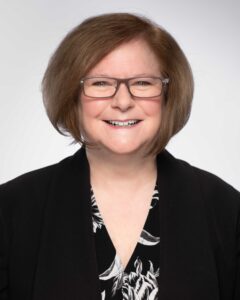 Diane Whitehead, President & CEO
Diane Whitehead is the CEO of Childhood Education, International, which operates the Center for Business Champions (CBC). The CBC focuses on encouraging business partnerships with the early childhood development and education sector to promote a better and more peaceful world for all children.
Diane has dedicated her career to issues that affect the lives of children and families. She specializes in global education, children’s education and learning, the human right to education, nonprofit leadership, management, strategic direction-setting, and program development.
Through her strategic guidance and management of this 130+year-old organization, Diane has expanded its global reach, built partnerships with education-focused organizations around the world, designed impactful programs, and participated in key international education forums and United Nations’ initiatives, a recognition of her commitment to transforming education. As Chief Executive Officer, she is dedicated to building CE International’s relevancy, reach, and impact.
Diane is available to speak on education topics, leadership, change management, and the future of humanity. If you would like to invite Diane for a speaker engagement at a conference or event, please contact anelson@ceinternational.org.
Explore CE International's consulting services.